News
Lab news
Updates from ecoϕlab and collaborators.
Chasing methane in the Calumet: a new soil experiment from Indian Ridge Marsh
October 20, 2026
Fall fieldwork season is in full swing, and this month ecoϕlab kicked off a new soil methane experiment using soils from Indian Ridge Marsh in Chicago’s Calumet region on the city’s Southeast Side. The project is led by undergraduate researcher Nick Fedchuk, working with PI Gavin McNicol, as part of his honors research in the lab.
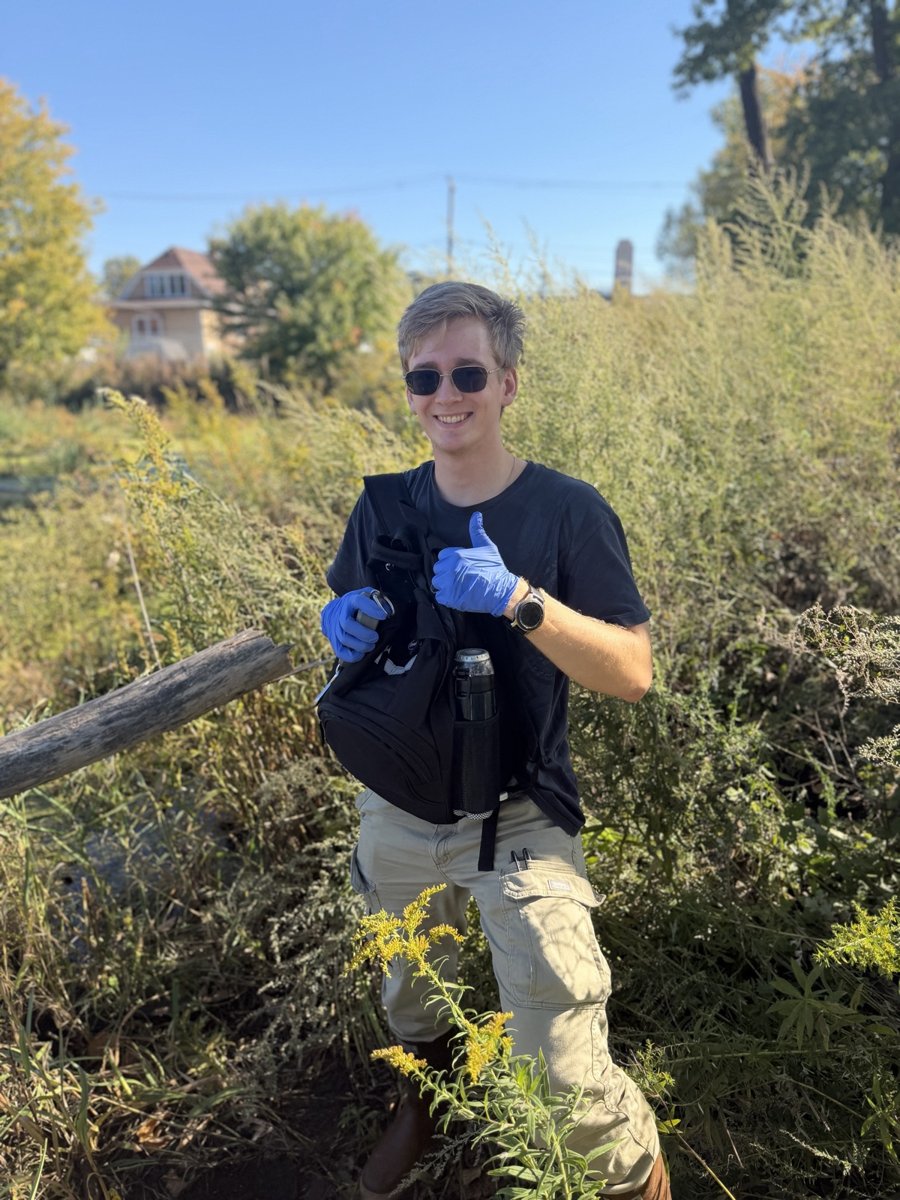
Methane is a powerful greenhouse gas, and wetlands are one of its biggest natural sources. Much of it is made by soil microbes that thrive where there is little oxygen—while other microbes, living where oxygen is available, can eat methane before it ever reaches the air. The Calumet is a fascinating place to study this balance: restored marshes sit alongside landfills and industry, all within a dense urban landscape.
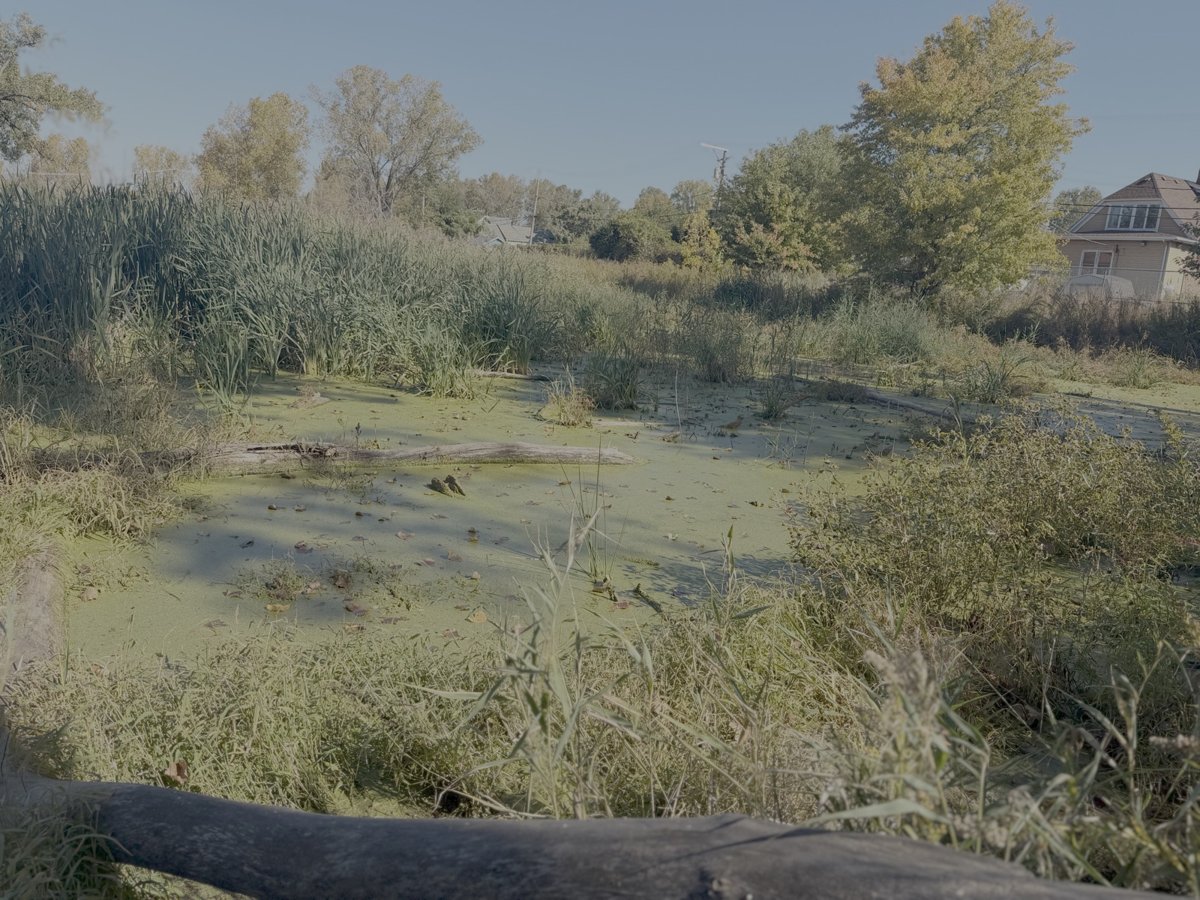
The broader project has two parts. First, a field survey of methane in the air and water around the Calumet to look for local microbial methane sources and possible hot spots. Second—the part now underway—a laboratory experiment with wetland soils collected near those sources.
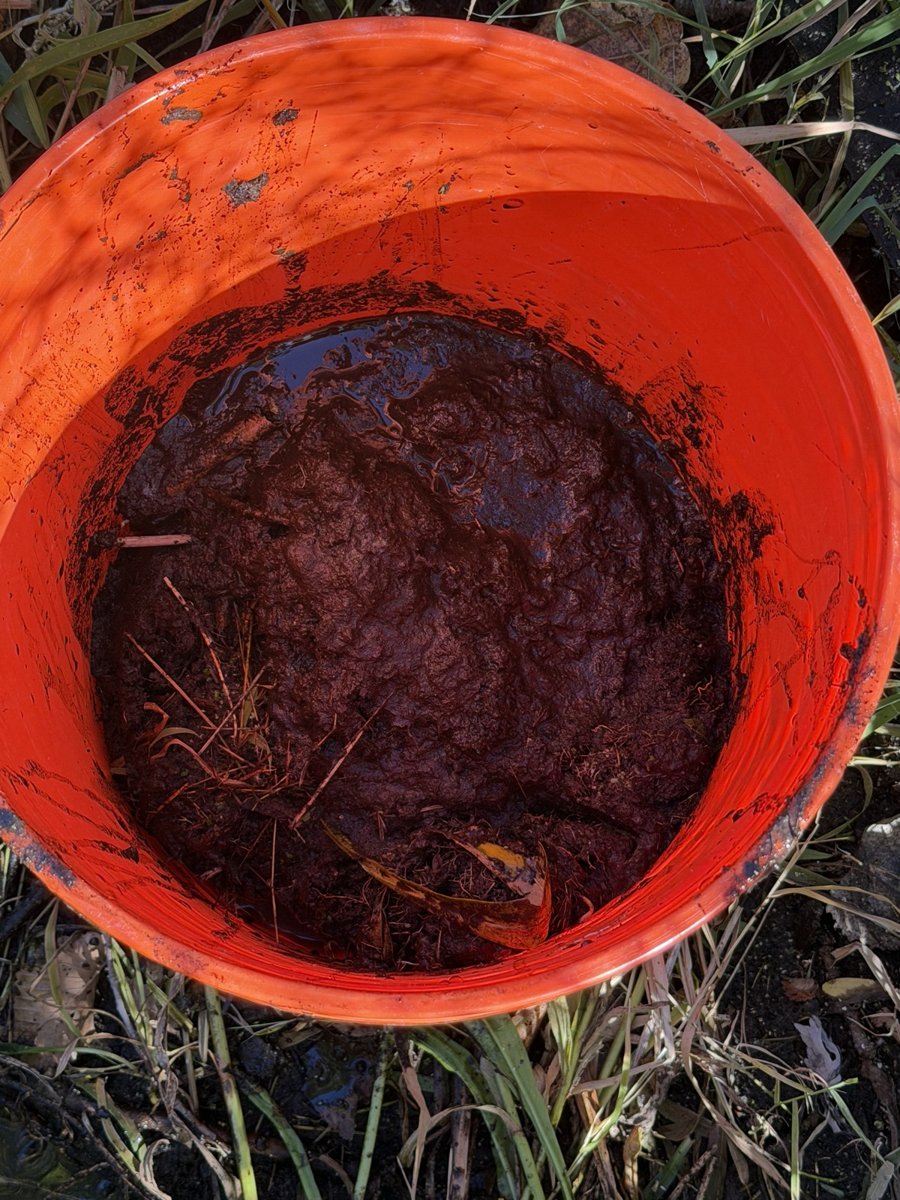
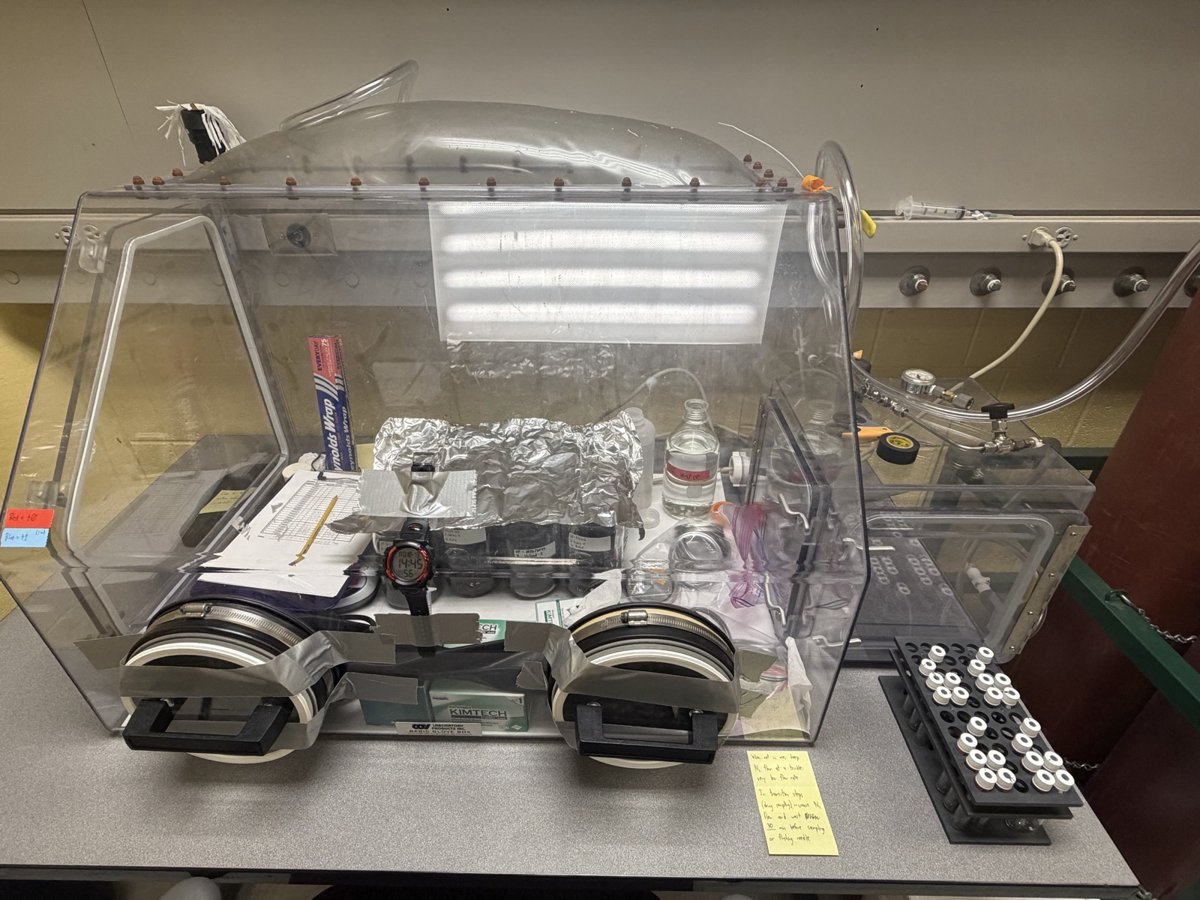
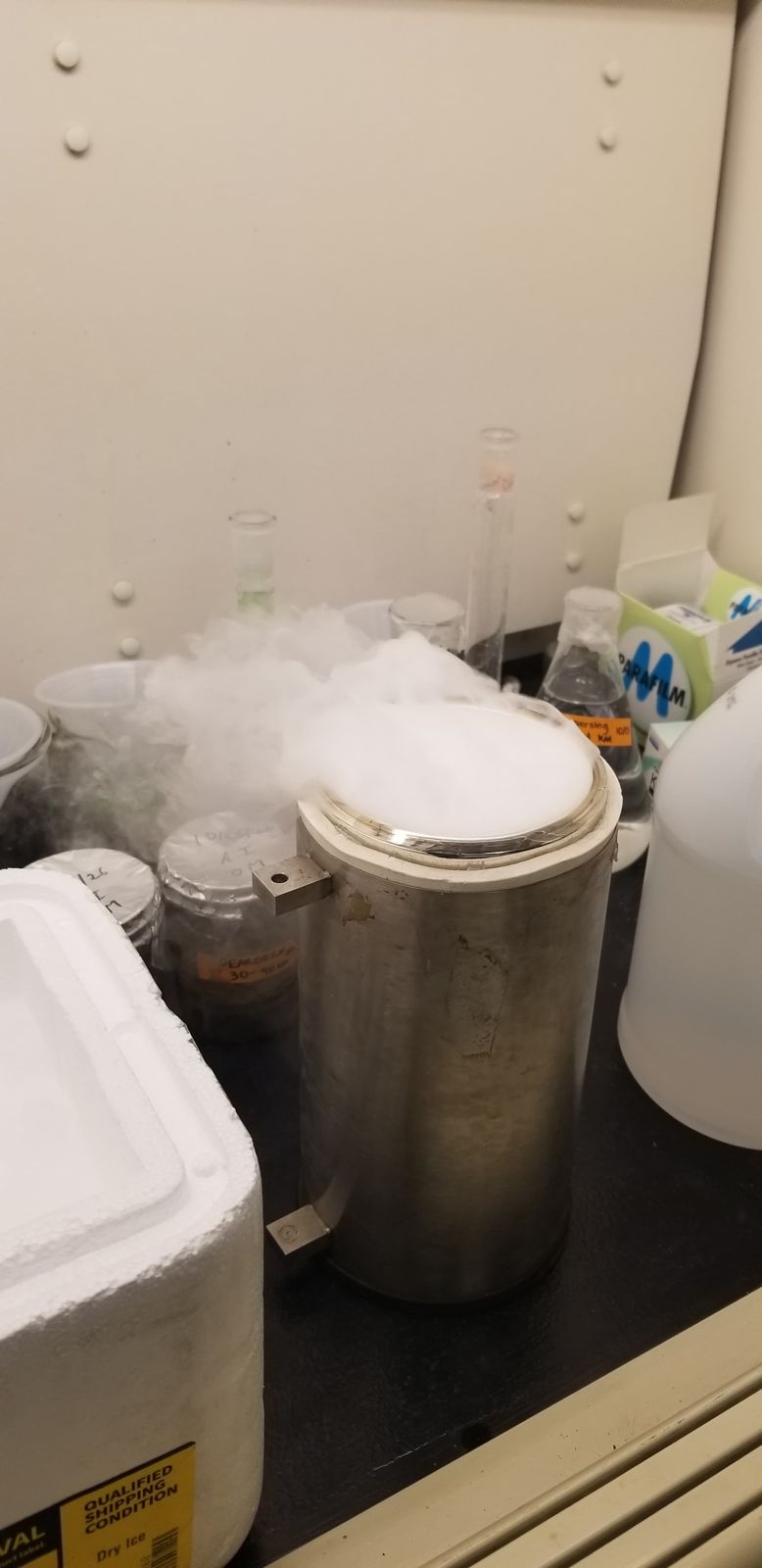
Back at UIC, the team mixed the marsh soil and divided it into sealed glass jars. Some jars sit in ordinary air, while others go into a glovebox filled with nitrogen gas to mimic the oxygen-free conditions of waterlogged soil. Over about ten days, the team draws small samples of the air inside each jar and measures how much methane builds up or disappears. Comparing soil from near the surface with soil from deeper down helps show how wetness and oxygen shape whether a wetland breathes methane out or takes it in.
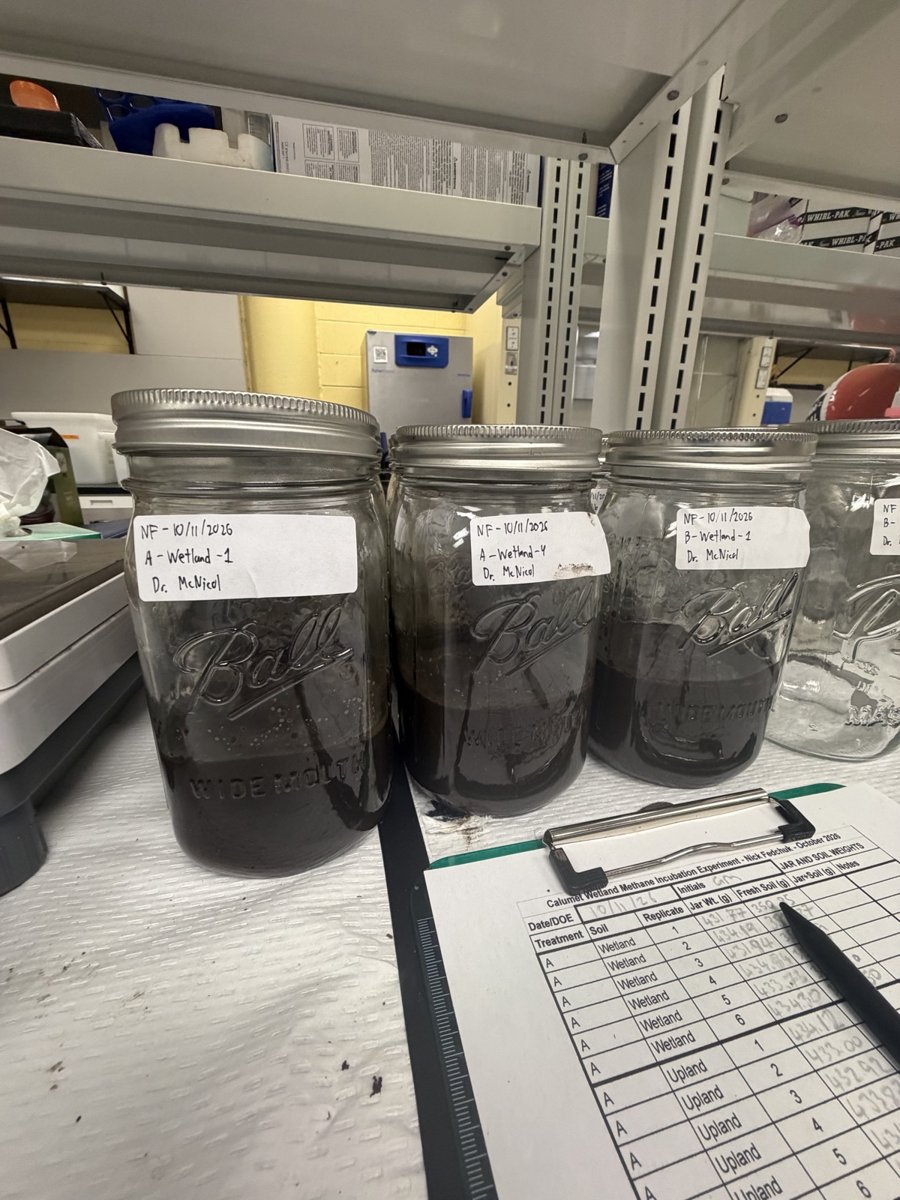
When the gas measurements wrap up, the team will also look at soil chemistry and at the microbes themselves, tracking genes linked to making methane and consuming it. Together, these pieces will help connect what we see in the air with what is happening underground.
This work sits at the heart of two of our research themes, Methane Fluxes Across Scales and Chicago Soil Biogeochemistry. It’s still early days—samples are being analyzed now—and we look forward to sharing what Nick finds, including at the UIC Honors College Capstone symposium later this fall.
New paper from Nachusa Grasslands fieldwork
October 6, 2026
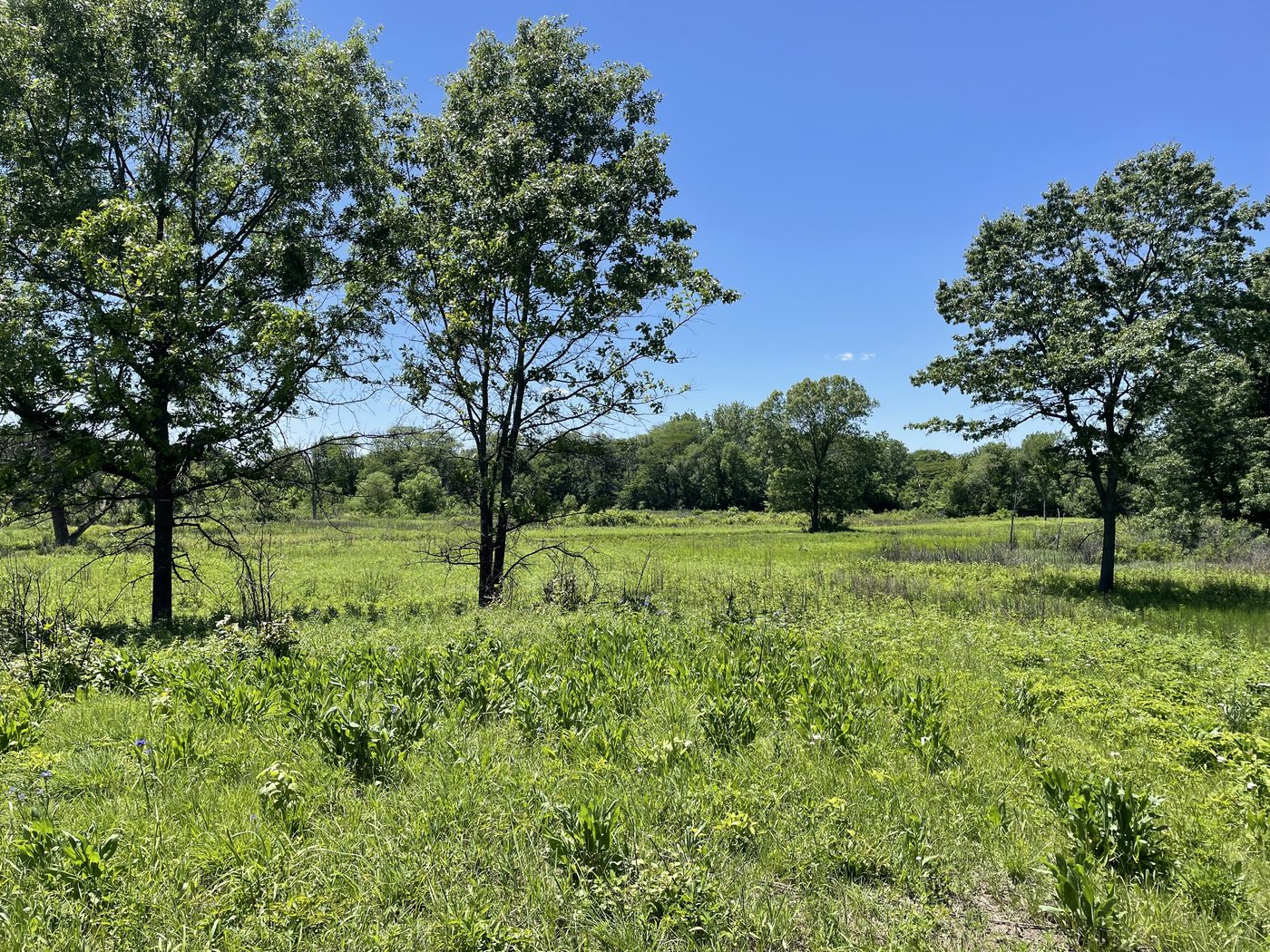
We’re happy to share a new open-access paper from ecoϕlab and collaborators in Frontiers in Environmental Science. The work grows out of a 2022 field campaign at Nachusa Grasslands (Dixon, IL), where the team measured soil greenhouse gas fluxes—and their links to soil microbial communities—across restored oak woodland, open tallgrass prairie, and wet prairie.
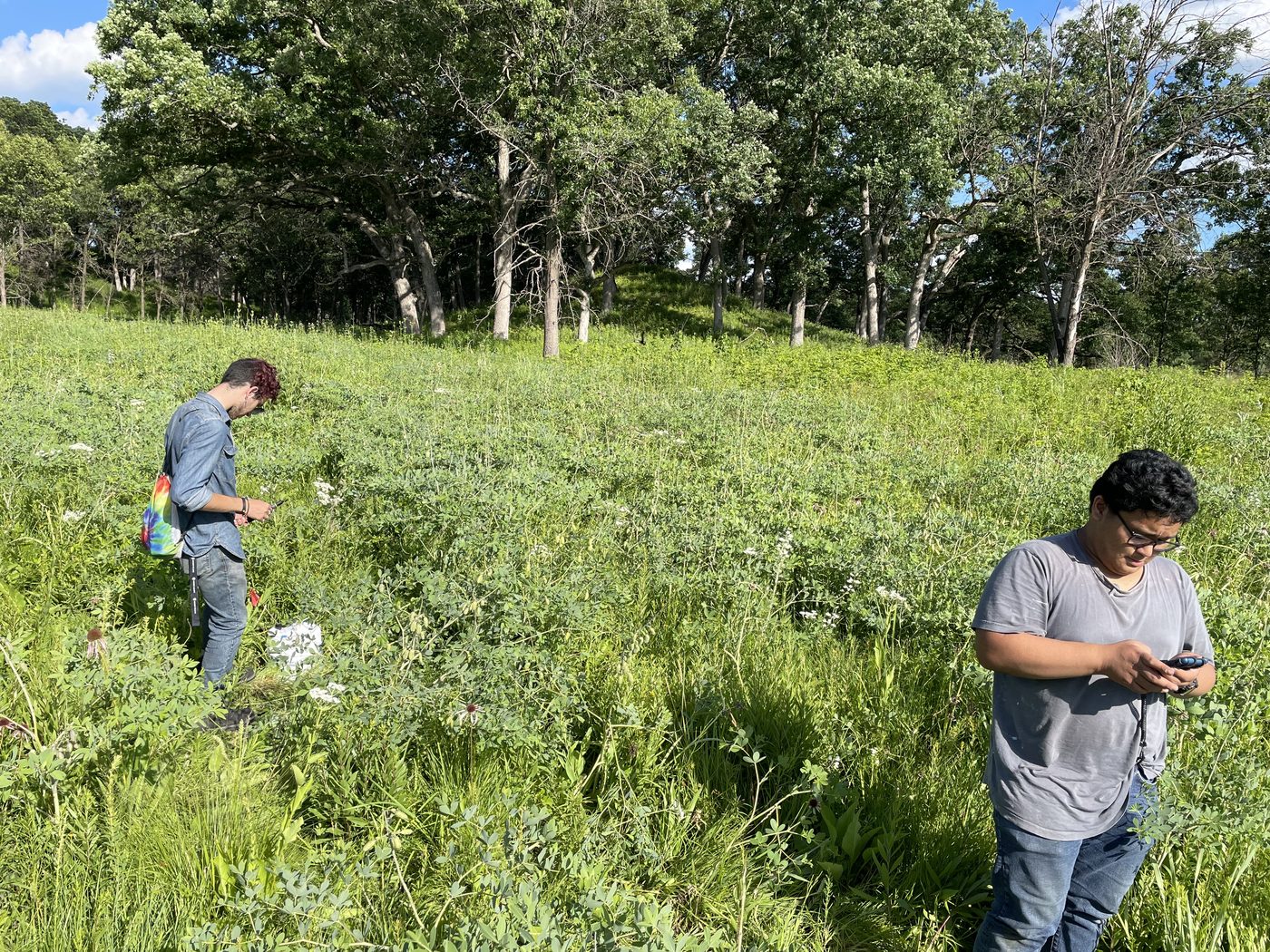
Across the growing season, soils were consistent carbon dioxide sources, methane sinks, and roughly neutral for nitrous oxide. The headline finding is strong methane uptake—especially in woodland soils—while open prairie was often near neutral. Notably, even wet prairie showed no net methane emissions, which is unusual for saturated soils.
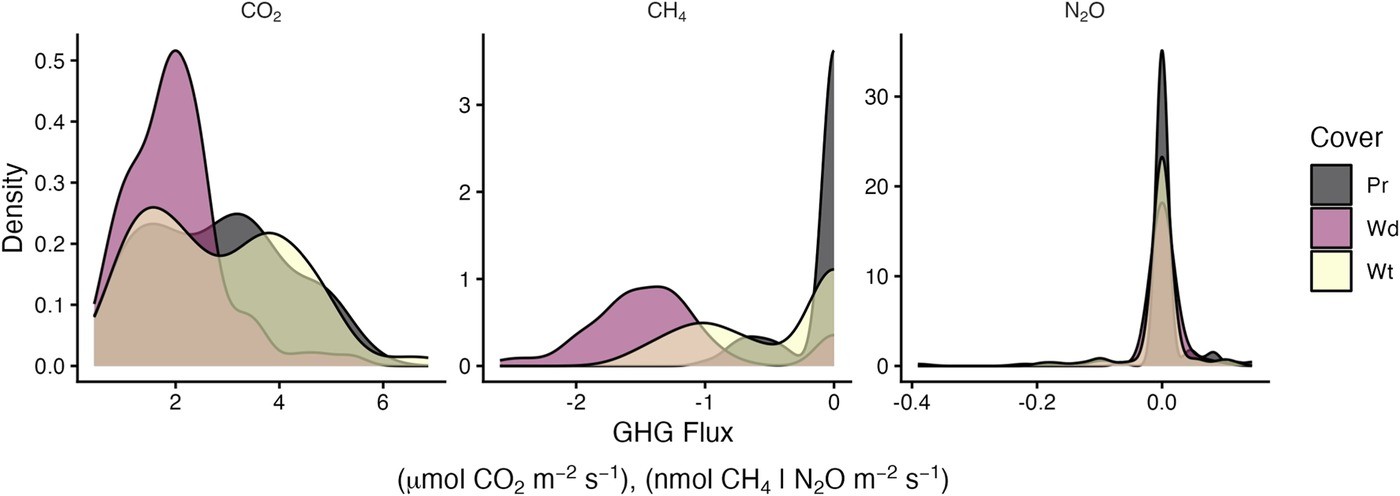
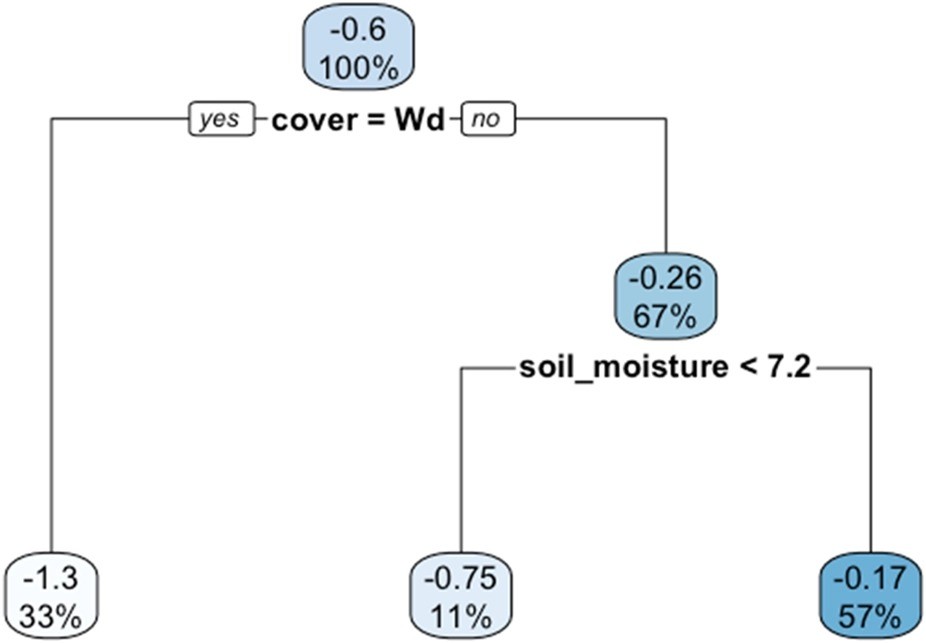
Decision-tree models pointed to soil temperature as the main control on carbon dioxide, and to cover type plus soil moisture for methane uptake. Woodland soils were the strongest methane sinks; in prairie, uptake tended to be stronger when soils were drier.
Inferred microbial communities were dominated by aerobic taxa—decomposers, nitrogen cyclers, and methane oxidizers—consistent with soils that consume methane rather than emit it. Together, the results suggest restored Midwest prairie–savanna ecosystems can act as net greenhouse gas sinks during the growing season, with woodland soils doing especially heavy lifting on methane.
The study was led by Gavin McNicol with coauthors Michael Yonker, Jack Breiter, Shamya Pugh, and D’Arcy R. Meyer-Dombard. Several of the student coauthors are now lab alumni—we’re proud to see this chapter of the work in print.
You can read the article here: doi:10.3389/fenvs.2026.1931059.
McNicol, G., Yonker, M., Breiter, J., Pugh, S., and Meyer-Dombard, D. R. (2026). Strong growing season soil methane uptake observed in a restored prairie-savanna. Front. Environ. Sci. 14, 1931059. doi: 10.3389/fenvs.2026.1931059
AI Across Scales workshop at Yale
October 2, 2026
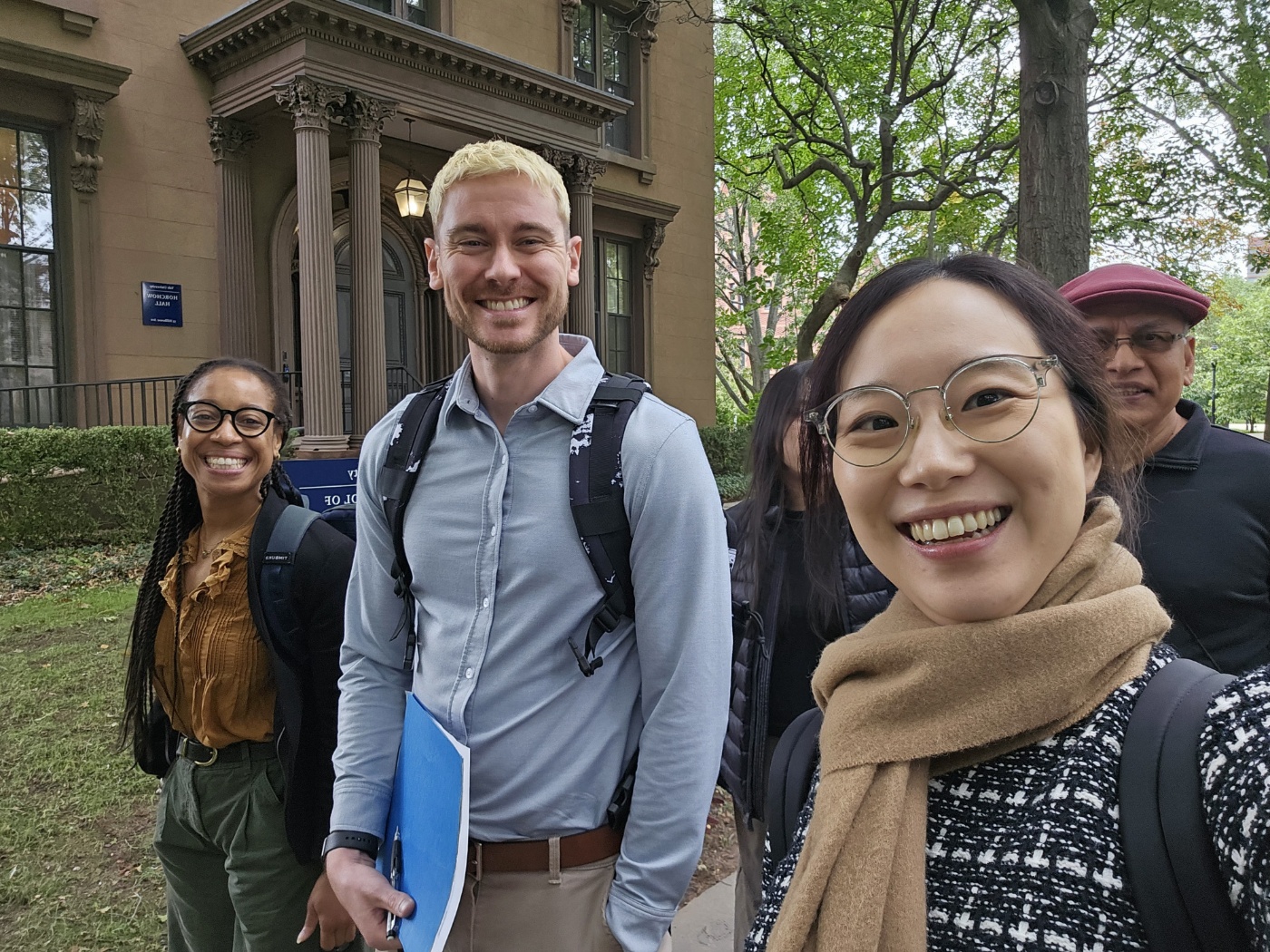
Last week, ecoϕlab PI Gavin McNicol co-hosted the AI Across Scales workshop at Yale with Sparkle Malone (Yale School of the Environment), bringing the AI for Natural Methane working group together for four days of talks, collaboration, and community.
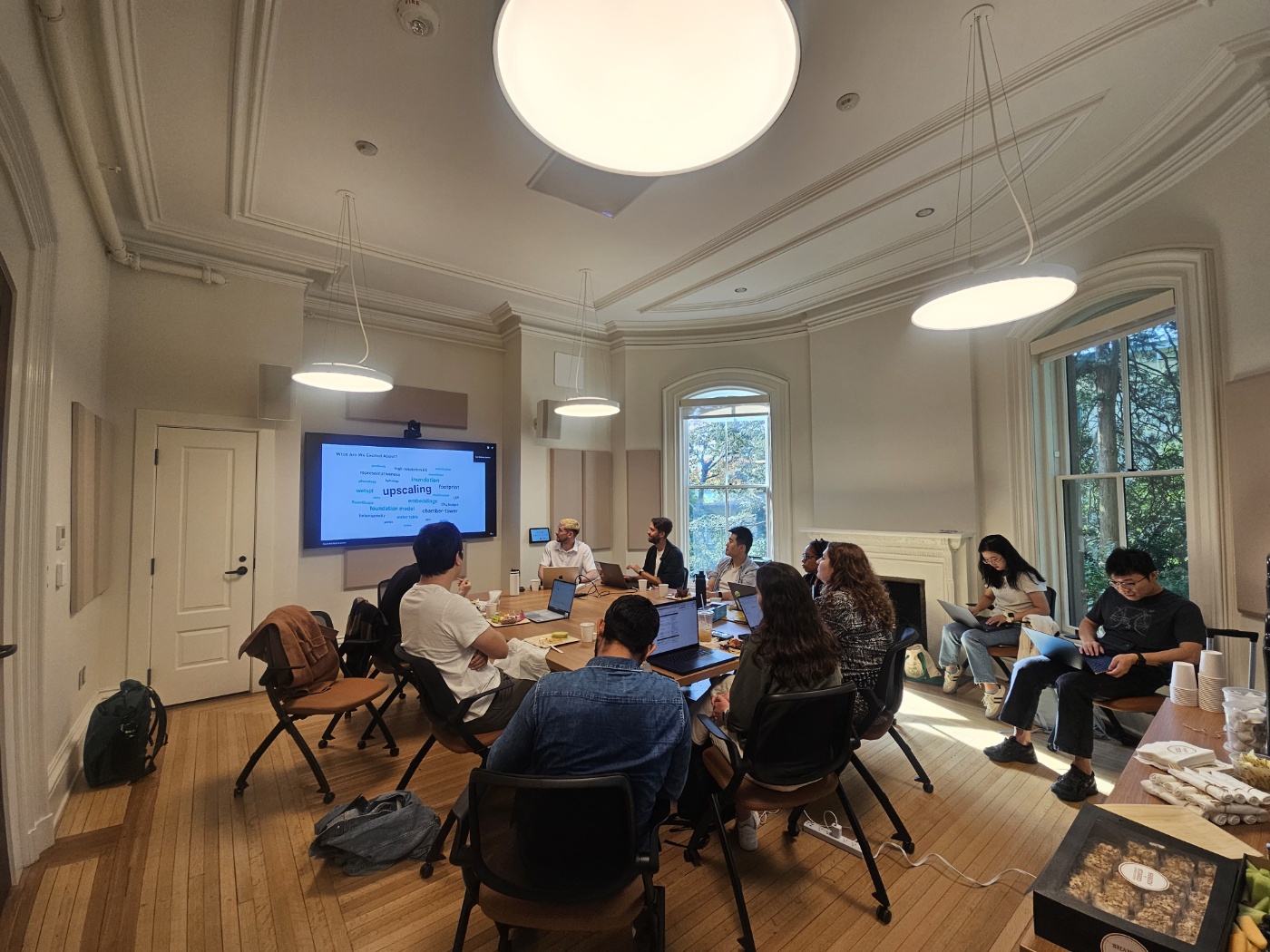
The gathering ran September 29–October 2, 2026, with support from the Yale Center for Natural Carbon Capture and continuing support from Spark Climate Solutions. Sessions were held at the Yale Peabody Museum and the Yale Center for Geospatial Solutions, with hybrid links for remote participants. About 18 researchers joined in person and another 25 connected online, spanning Yale, UIC, Harvard, NASA, national labs, and partner universities.
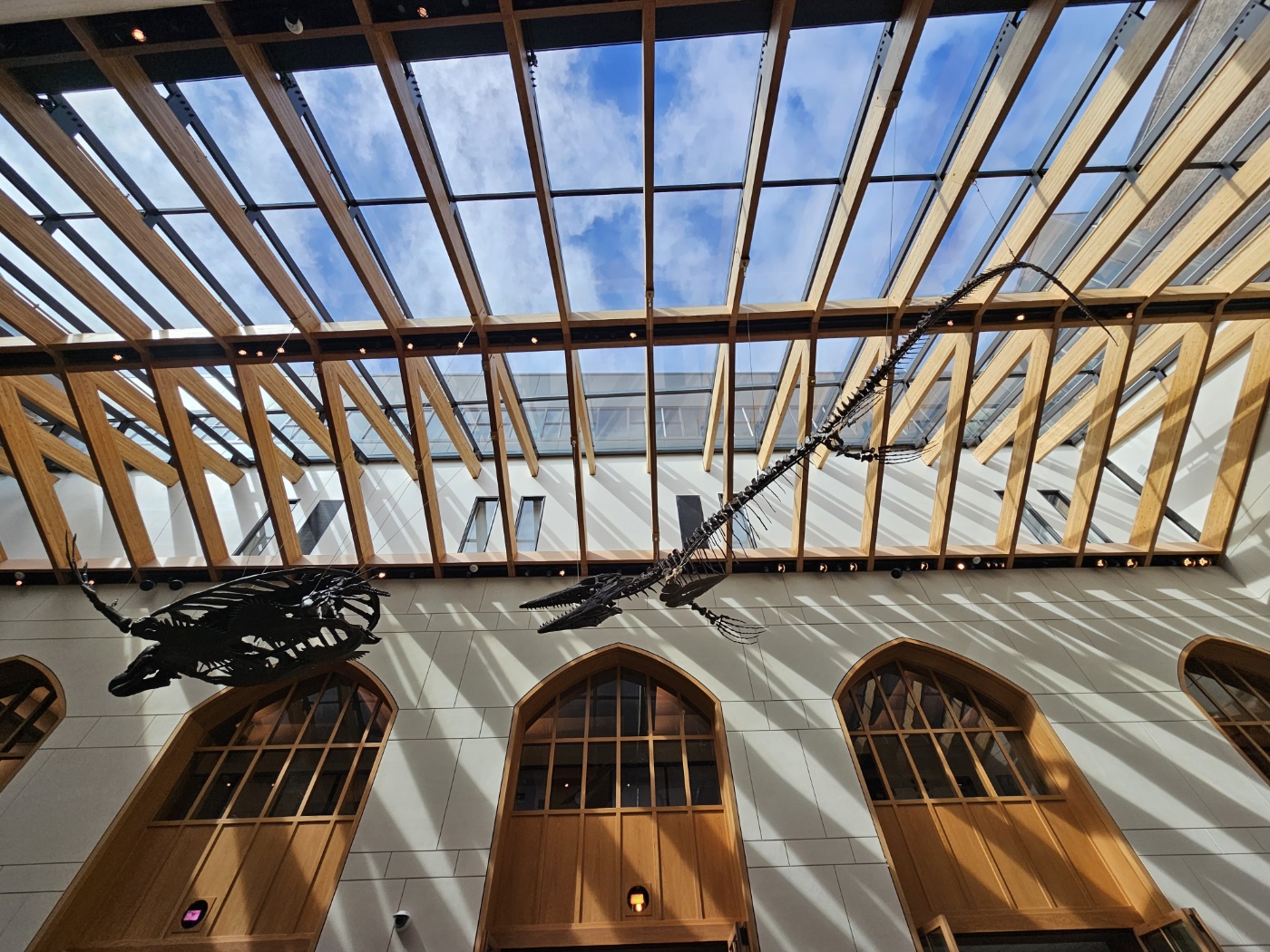
Day 1 opened with a public seminar and reception at the Peabody, followed by science talks and an open forum. Later in the week the group moved into working sessions—sharing tools, comparing approaches, and sketching next steps together.
One highlight for visitors was a live demo of WetLSP Explorer, a desktop app from the lab that lets you explore wetland vegetation through the seasons on your own computer.
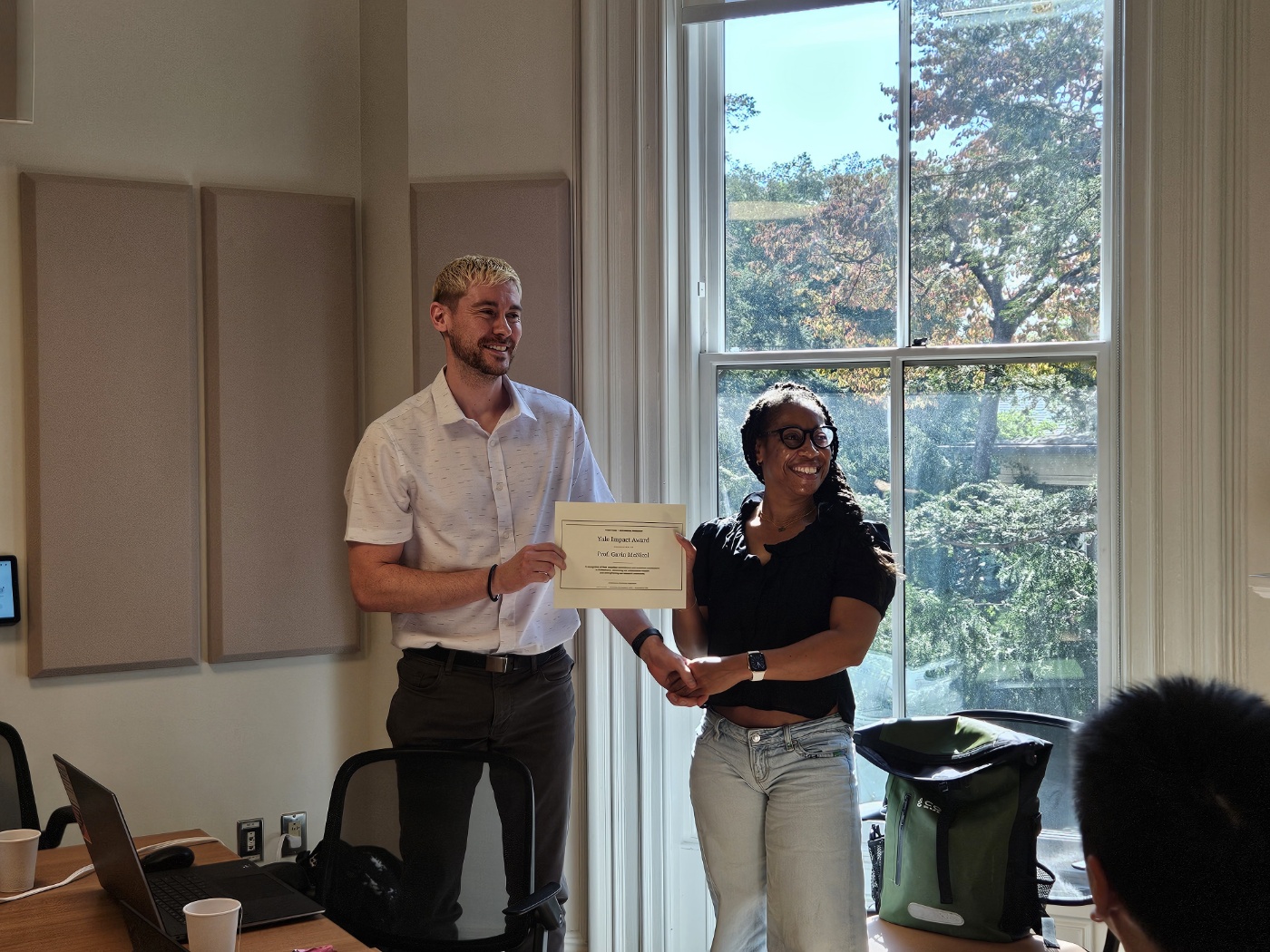
On the final day, Gavin also received a Yale Impact Award for helping organize the week—a nice note of thanks from the hosts.
We’re grateful to Yale, YCNCC, Spark Climate Solutions, the Peabody Museum, the Center for Geospatial Solutions, and everyone who traveled to New Haven or joined remotely.
Watch the workshop showcase on YouTube, or find it with our other talks on the Media page.